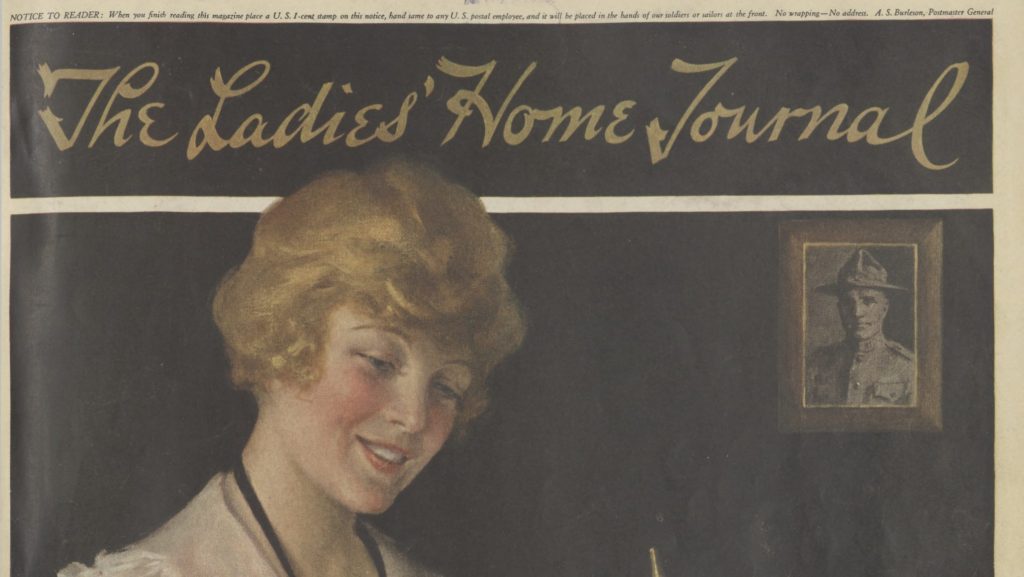
Contents of the 1918 volume of Ladies’ Home Journal
by an Anonymous Fairleigh Dickinson University student
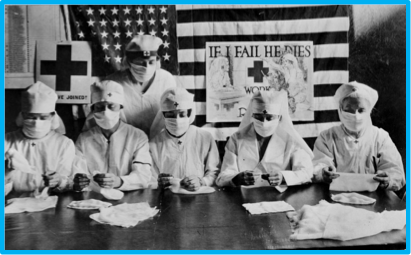
The 1918 edition of the magazine, Ladies’ Home Journal, demonstrated multiple recurring patterns throughout the different issues throughout the year. This time period of the early 20th century was primarily associated with the near-end of World War I. The war was reaching an end around November. Simultaneously, the influenza outbreak of the same year started in March and lasted until April of 1920. The journal guided American women on how to contribute to the war effort from the home front. While the magazine did not extensively cover women entering the workforce, it emphasized domestic contributions such as food conservation and volunteer work.
Food Conservation
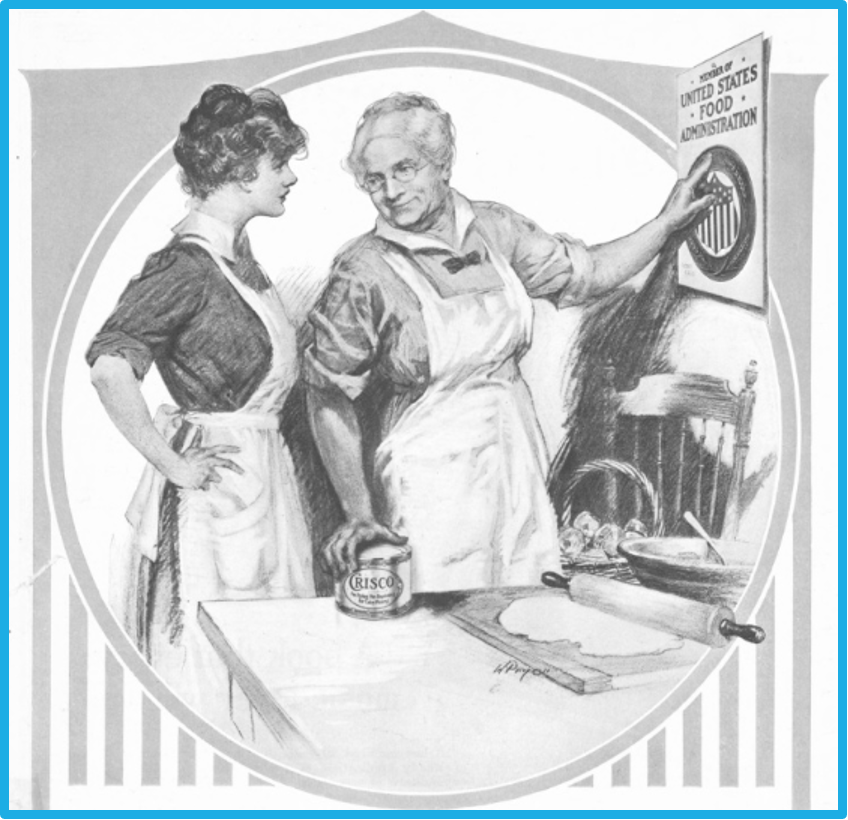
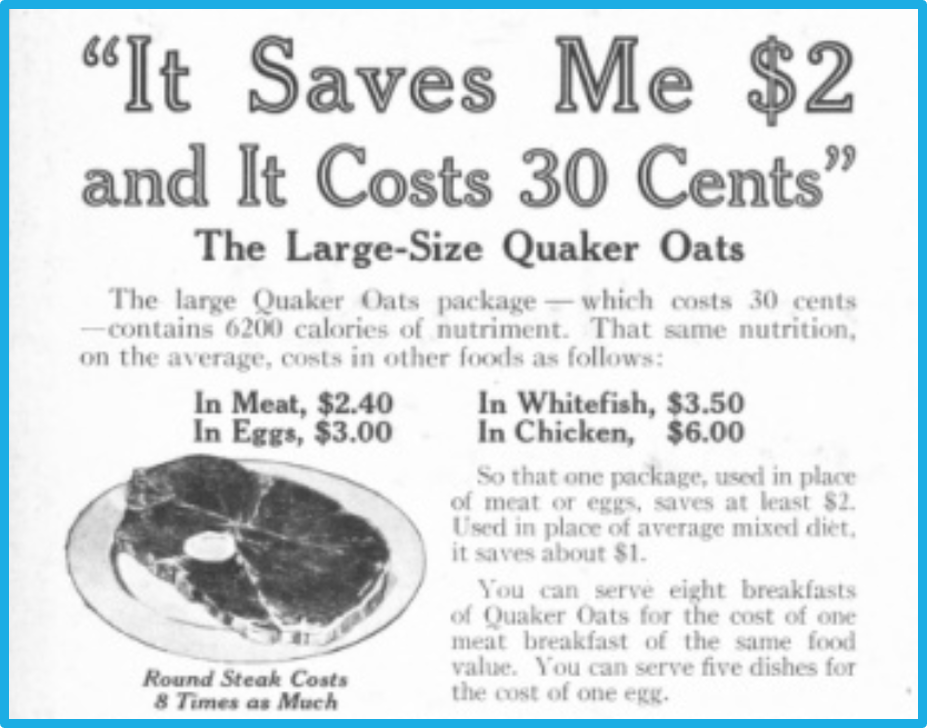
Among the content of the magazine pages, primarily advertisements, was the advocacy of food conservation correlating with the nation directing effort towards the war front. Significant efforts were driven by the need to supply the Allied forces, especially in Europe, and to ensure a stable food supply for the American population during World War I. The US Food Administration, led by Herbert Hoover, implemented a series of voluntary and patriotic campaigns to encourage Americans to reduce consumption of certain foods, such as meat, wheat, and sugar, and to produce more food locally. While not every piece specifically mentioned conservation for the sake of the war effort, that was most likely the intention. However, the companies portrayed them specifically as something beneficial to consumers.
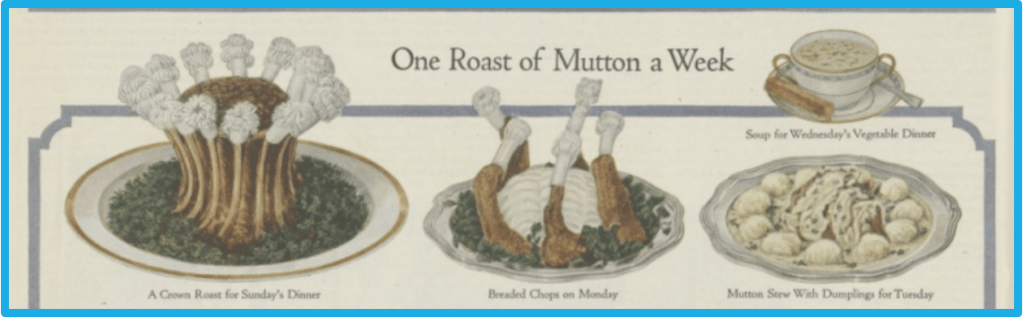
Recipes by Harriet Ellsworth Coates were provided for “twice-as-far dishes” to maximize ingredients. The articles mention making two dishes from one can of salmon, or two dishes from a pound of fresh pork or two from one package of noodles. Additionally, the same author offered guidance on canning and preserving produce to support the war effort and to make it easier for families to prepare meals in the winter when these items were in short supply.

Volunteering and the Red Cross
Highlighting the importance of volunteer work, the magazine featured articles on various roles women could undertake, such as knitting garments for soldiers, assembling care packages, and serving in the American Red Cross, headed by William Howard Taft.
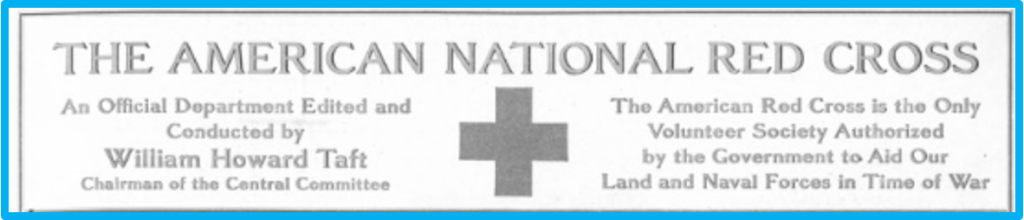
The magazine published articles that encouraged women to become active participants in wartime organizations and initiatives, reinforcing the message that their contributions were vital to the nation’s success. The ARC ads included medical information in the form of frequently asked questions such as “Why can’t I make surgical dressings at my home?” Then the content goes on to explain the essential hygienic and supervised conditions for such a situation. There were also informational pieces which addressed the United States’s support for other countries such as Belgium and France and how “Relief work among the refugees in France and Belgium is one of the most important tasks the American Red Cross has undertaken abroad. The ARC serves as their only available source of food, clothing and shelter.” Lastly, Taft even drafted a thank you note to the volunteers who dedicated their time to the organization. He wrote, “You have pledged or given over $100,000,000 for the relief of war suffering… Rolled up the membership from a few hundred thousands to over four million. Furnished 3,681,895 surgical dressings, 1,517,076 pieces of hospital linen, 424,500 articles of patients’ clothing.”
The armistice was signed on November 11th, 1918 and it is made evident in the content of the magazine that the nation no longer focused on the conservation of materials to send to the soldiers. The beginning of the December edition even depicted a group of soldiers raising their helmets and wishing the viewer a Merry Christmas. The pages no longer reflected a focus on resource allocation towards the warfront, and instead emphasized the aftermath of the war and reconstruction.
Connection to 21st-Century Social Media Trends
The most prominent connection to modern social media trends is the theme of content both in the magazine and online serving as a role model and guidance for Americans. Ladies’ Home Journal guided women on how to contribute to the war effort, run a household efficiently, and embody ideals of patriotism and femininity. It offered practical advice, i.e. following “meatless Tuesdays” and “wheatless Wednesdays” and encouraged participation in Red Cross efforts. In the more recent 21st century, social media influencers and lifestyle accounts on platforms like Instagram, TikTok, and YouTube similarly guide audiences. They utilize content on sustainable living, activism, home organization, recipes, and more. During events like COVID-19 or global conflicts, these creators also often pivot to socially relevant content- much like the journal’s connection to World War I.
